The disability movement at the 2026 Women Deliver conference
We came to the Women Deliver conference in Melbourne to put disability rights at the center of the fight for gender equality. Our message was loud and clear, and we are starting to see results.
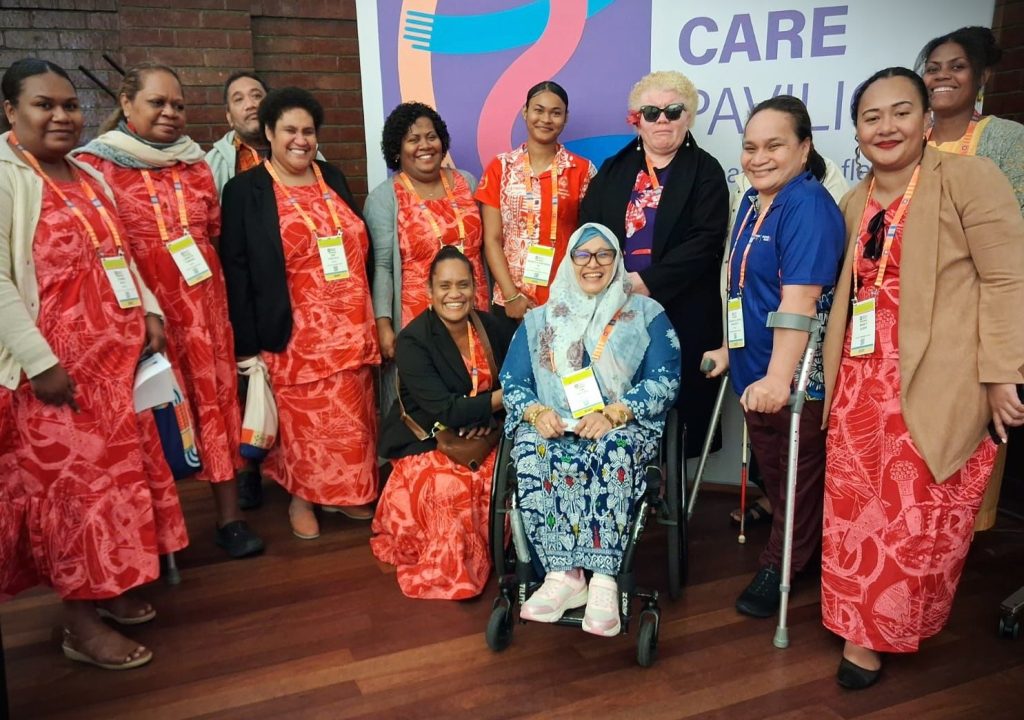
Twenty years ago, the UN adopted the Convention on the Rights of Persons with Disabilities. Shortly after, the Disability Rights Fund was created to support people with disabilities as they mobilized to implement the new treaty in communities, towns, rural villages, and cities around the world. Those we have supported since then have come a long way—securing legislation, constitutional changes, political representation, employment, and services that once seemed impossible.
The number of countries that adopted the Convention doubled in these twenty years, from 82 to more than 160, and a truly global movement has grown around those victories. The leaders and organizations that emerged then are now joined by a new generation of human rights activists with disabilities, who benefit from their predecessors’ experience in persuading governments, multilateral institutions, donors, and public opinion that disability rights are fundamental human rights. Many of these activists are Indigenous, and together they represent the broad spectrum of gender and sexual diversity, impairments, and walks of life present in our communities. They care about the environment, gender equality, justice, economic mobility, and every other issue affecting our lives. They work alongside mainstream, non-disabled allies and partners to prevent violence, promote sexual and reproductive health and rights, advance inclusion in education and employment, pursue justice, and address many other root causes of inequality.
Our movement’s achievements were on our minds last April, when we participated at the Women Deliver conference in Melbourne—the world’s largest multisectoral gathering dedicated to gender equality and women’s rights. Disabled advocates were more numerous than at the previous conference in Kigali three years ago, and our perspectives were more present in mainstream discussions of feminism, gender equality, and justice.
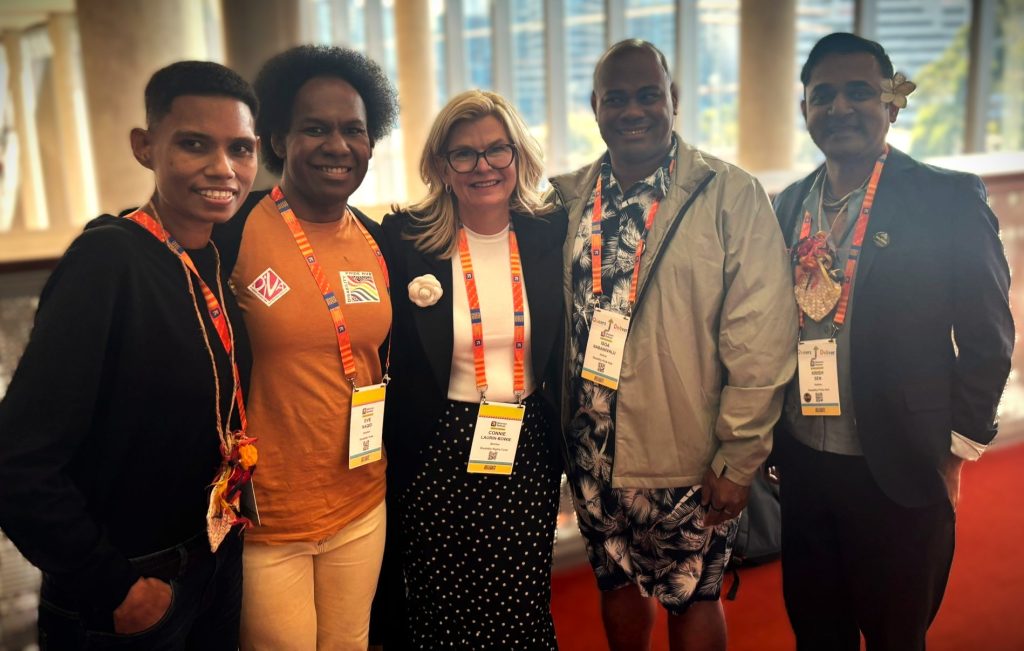
The participation of Maryangel Garcia-Ramos, Executive Director of Women Enabled and DRF Board Member Maria Ní Fhlatharta in the conference’s main plenary sessions symbolized our growing presence. Their powerful interventions spoke of a mature movement, led by confident and experienced women. Referring to the future of feminism and women’s rights, and the resourcing of these hugely important global movements, their message to advocates, funders, and all decision-makers was clear: without women with disabilities, any victory remains incomplete.
Groups such as the Disability Pride Hub demonstrate the integration of our human rights advocacy with mainstream LGBTQ and Indigenous organizations in Asia Pacific. The work of Krishneer Sen and his colleagues is turning our movement’s long-term aspiration of intersectionality into daily reality. They are leading the way—making us stronger, more diverse, and more effective.
The intersectional spirit of our activism was also reflected by leaders like Senimelia Bulouravuyu Seru of the Fiji Disabled Peoples’ Federation. Speaking to fellow Indigenous women, she explained that her fight for disability-inclusive climate resilience across the Pacific island region is, at its core, about safety and survival. Her work—and that of other disabled women in regional climate responses—plays an essential role in countering the widespread assumption that persons with disabilities have limited capacity to participate in policy planning and decision-making, an assumption still present even among women’s rights advocates. Their outreach efforts and collaboration with other movements remind us all that intersectionality is not only desirable but essential for survival in these times of global emergencies, existential peril, and international volatility.
We see and celebrate Women Deliver’s efforts to make the conference more inclusive and diverse. We hope the feedback from women with disabilities will shape the next conference, building a more inclusive agenda, in which disability is not just closer to the center, but truly at its heart.