New reports highlight the priorities, challenges, and leadership of women with disabilities across Africa
Through the ‘Boosting the Rights of Individuals with Disabilities in Africa (BRIDGE Africa)’ project, funded by GIZ on behalf of the German Federal Ministry for Economic Cooperation and Development (BMZ), more than 800 women with disabilities from 16 countries across East, Southern, and West Africa participated in a regional polling exercise and assessment to share their experiences, priorities, and aspirations for leadership and inclusion.
The findings, published in two regional reports, provide valuable insights into the barriers that women with disabilities continue to face, while also highlighting their resilience, leadership potential, and growing role in advancing disability rights and gender equality across the continent.
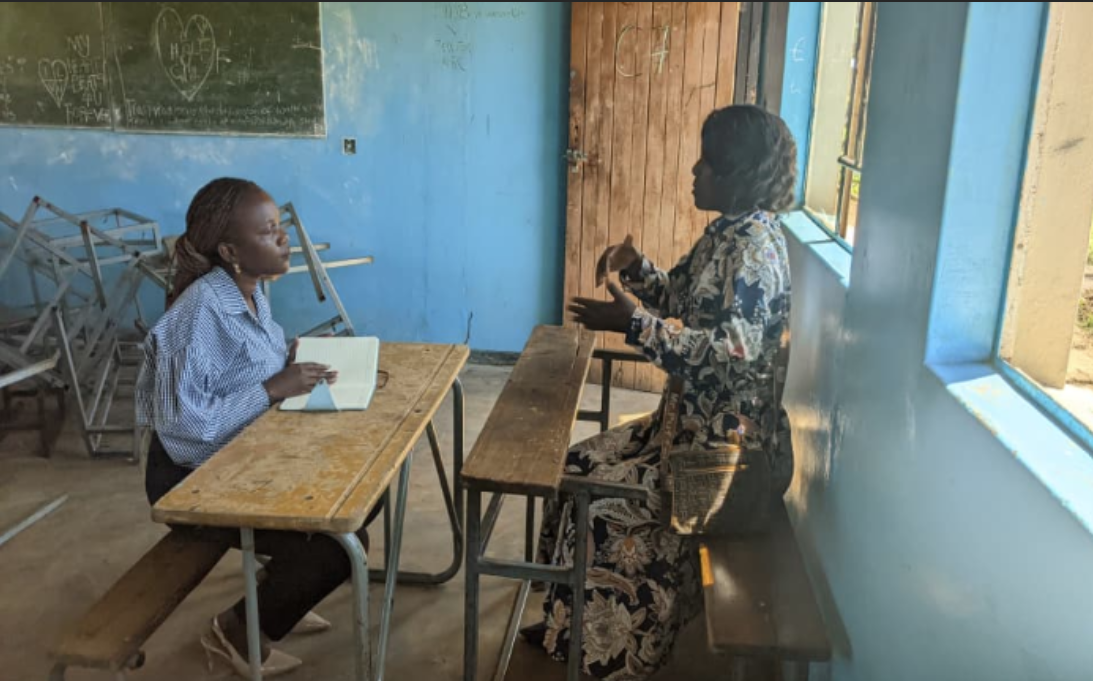
Quote from a Deaf woman in Zambia: “Deaf women who are leaders are very few due to negative attitudes against them, believing that Deaf women can’t be in leadership… Most Deaf women come from poverty-stricken homes, which limits their participation.”
The East and Southern Africa report, covering Kenya, Malawi, Zambia, Uganda, Tanzania, Rwanda, and Zimbabwe, reveals that Deaf women’s leadership remains limited by interconnected structural, institutional, and socio-cultural barriers. Although many women demonstrated awareness of disability rights frameworks such as the UN Convention on the Rights of Persons with Disabilities (UNCRPD) and national legislation, opportunities to translate this knowledge into meaningful advocacy and decision-making remain limited. The report highlights the need for stronger leadership development, accessible information, and greater institutional support to ensure Deaf women can influence policies and decisions that affect their lives.
The West Africa report, covering Mali, Burkina Faso, Senegal, Guinea, Togo, Benin, Cameroon, Côte d’Ivoire, and Niger, paints a picture of both challenge and opportunity. Participants reported significant barriers related to healthcare, economic empowerment, violence, discrimination, and accessibility. At the same time, the assessment highlights the determination of women with disabilities to achieve greater autonomy and inclusion. The growing use of digital technologies, the strength of women-led disability networks, and the emergence of new leaders across the region offer important opportunities to advance participation, advocacy, and social change.
Together, the reports provide a roadmap for future action. Their recommendations call for increased investment in leadership development, economic empowerment, accessibility, protection from violence, digital inclusion, and meaningful participation in decision-making processes. Most importantly, they reaffirm that women with disabilities are not only identifying the challenges they face—they are leading the solutions.
The findings will guide future advocacy, inclusion, training and peer learning initiatives under the BRIDGE project and support efforts to ensure that the voices and priorities of all women with disabilities remain at the centre of policy and programme development across Africa.